
How Navit reduced travel spend by 8% without reducing travel
€30,000 saved — 8.1% of annual travel spend
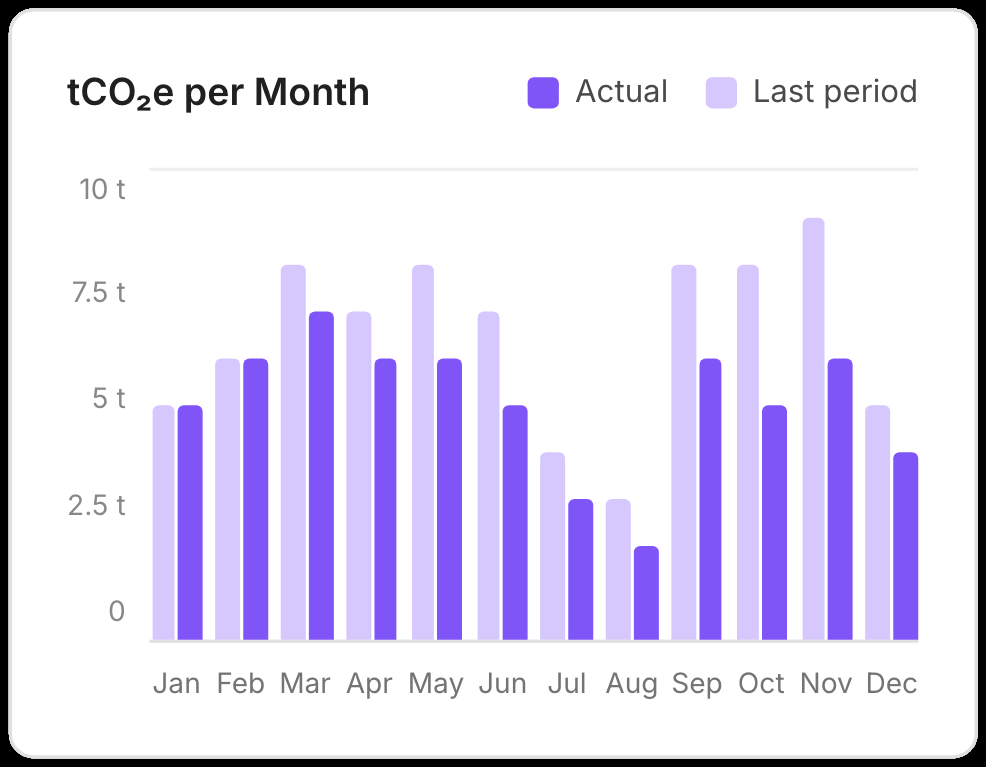
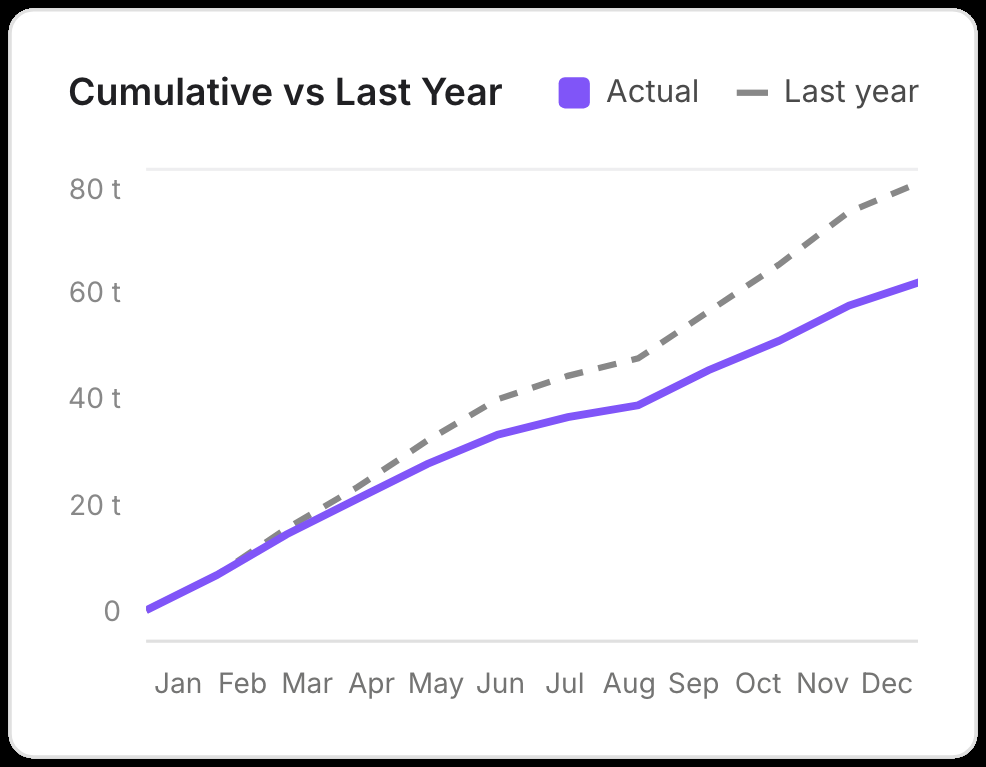
22% reduction in emissions (78 to 61 tCO2e)
4% of spend found to be cancelled/duplicate bookings
3% more trips taken, with unchanged customer coverage
Context
Navit is a 25-person commercial organization with a high travel intensity: most of the team meets customers and partners across Europe several times a month. Annual travel spend reached €370,000, too small to justify a dedicated travel management function, large enough to be one of the company's three largest cost lines. Air and rail bookings ran through a single TMC. Everything the TMC did not touch (same-day rail tickets, taxis, parking, hotels booked directly) arrived through the expense platform. Two systems, two versions of the truth, and no view of the trip as a whole.
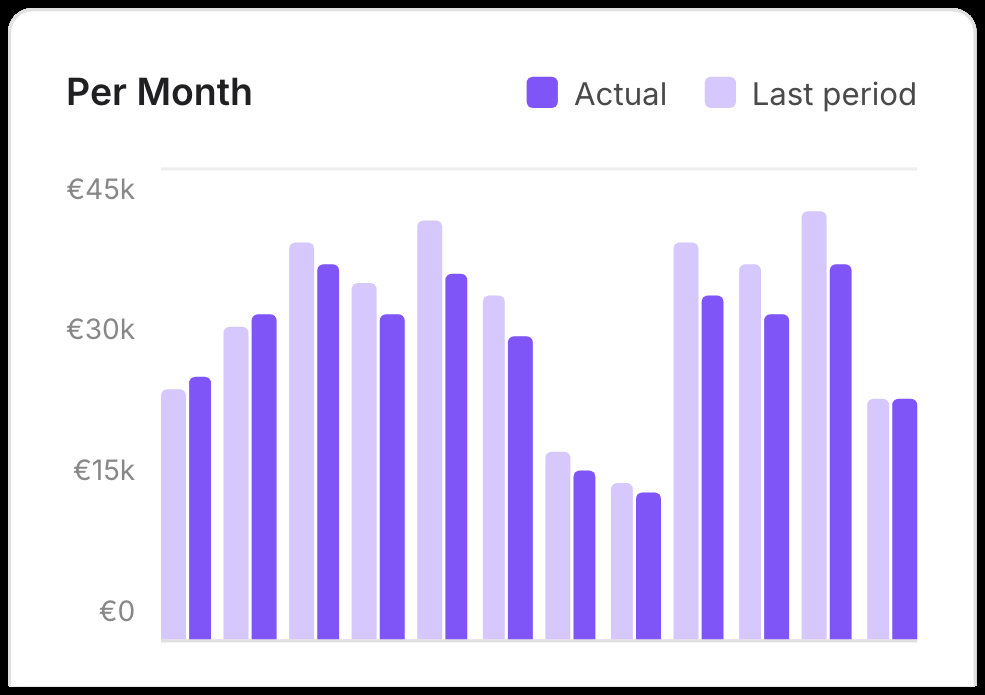
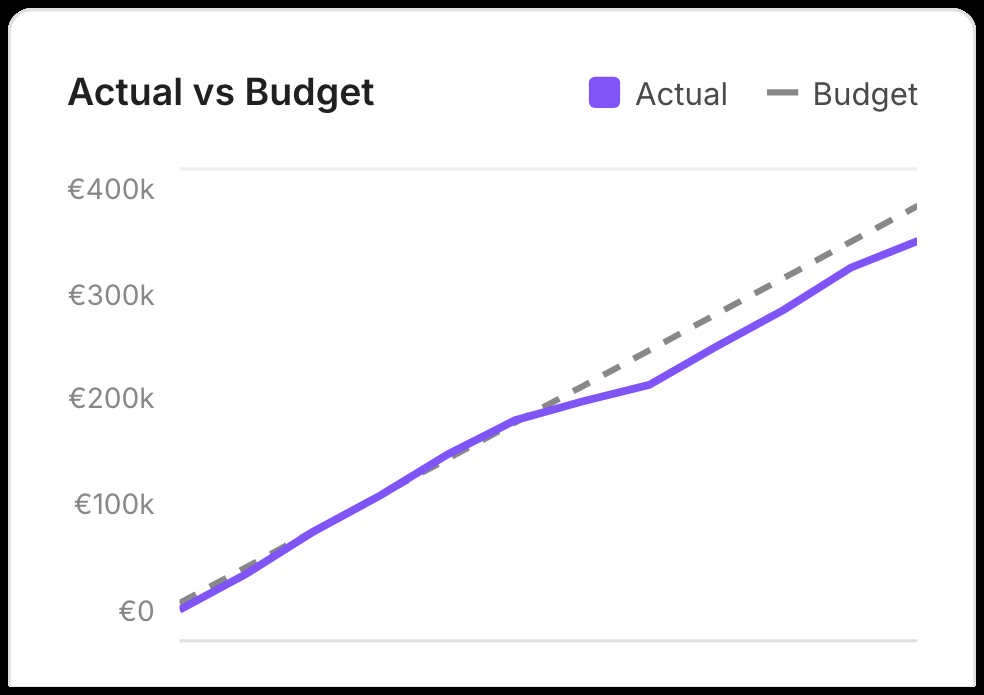
“With a team of 25, every trip has a purpose, so reducing travel was never an option. The question was which €30,000 of the budget was not buying us anything. Gravity answered it, and we removed that spend without changing how the team works.”
Goal
Reduce cost without affecting travel quality or coverage. The mandate set by Rene Braun had two fixed constraints: customer coverage remains unchanged, and travel quality remains unchanged. No economy-only rule, no additional approval layers, no case-by-case justification of meetings. Savings had to come from decisions: when a trip is booked, how it is routed, and which supplier receives it, rather than from trips that no longer take place.
Our Solution
Two feeds, one view of the trip
SQUAKE Gravity connected Navit's TMC feed and expense platform. Bookings and expenses are matched to the same traveller and the same trip, so a Berlin–Munich flight and the airport transfer that follows it are no longer unrelated line items. Duplicates, rebookings and cancellations are resolved automatically: in the first extract, 4% of recorded spend proved to be cancelled or double-counted bookings that had never been reconciled.
With cost and CO2 held on the same trip record, the discussion moved from total spend to the cost of individual decisions. Gravity ranks routes, suppliers and booking behaviours by the difference between what Navit paid and what a comparable, equally convenient alternative would have cost, a benchmark rather than a budget cut.
Where the €30,000 came from
| Decision | Saving | What changed |
|---|---|---|
| Advance booking window | €11,600 | Median lead time moved from 5 to 13 days; same routes, lower fare classes |
| Rail on 5 short-haul routes | €7,900 | Door-to-door time equal or better; 9t CO2e avoided |
| Fare and carrier choice on repeat routes | €7,200 | Six city pairs account for 58% of spend; cheaper carrier or departure time at equal convenience |
| Unused and duplicate bookings | €3,300 | Unflown tickets recovered, duplicate bookings cancelled before departure |
| Total | €30,000 | 8.1% of annual travel spend |
Outcome
Gravity, emissions view: 61 tCO2e in the current year against 78 tCO2e in the prior period — a 22% reduction from the same set of booking decisions.
Navit's team took 3% more trips than in the previous year. Customer coverage was unaffected, travel policy was not tightened, and no traveller was downgraded. What changed is the review cycle: a single monthly view of cost and CO2 per route, and action on the three or four decisions with the largest gap. Emissions fell 22% as a consequence of the same choices, and CSRD reporting now draws on the same dataset as the budget.