How Parexel Unified Global Travel Emissions Data to Drive Sustainability Impact Across Clinical Trials
Context
Parexel, one of the world’s largest clinical research organizations, operates a truly global travel program spanning more than 50 countries. With operations supported by one travel management company (TMC), one global expense management tool, two corporate payment providers, and several strategic suppliers, every trip generates transaction data across disconnected systems: bookings, expenses, and card transactions exist in separate silos.
For Parexel’s leadership and clients, this fragmentation created a critical challenge: obtaining a complete, project-level view of travel-related carbon emissions was nearly impossible. Getting accurate CO₂ data by cost center and, most importantly, by individual project number required pulling reports from 10 separate data sources and manually merging them in spreadsheets.
As a leader in clinical research, Parexel recognized that business travel represents a significant portion of its carbon footprint and a key lever for delivering on ambitious sustainability commitments. But without visibility into emissions at the project level, the organization couldn’t help its pharma clients understand or reduce the carbon impact of their clinical trials.
“Our emissions-relevant travel and expense data lives in many places and could not be easily broken down by cost center and, more importantly, by project number. We need to be able to show management and clients their relevant footprint so they can act on it. With Gravity, we see the whole program and all emissions by project number with full detail.”

The Challenge
Parexel faced two interconnected problems. Data fragmentation: travel and expense information was scattered across TMC systems, corporate expense platforms, and payment provider feeds. Reconciling these sources consumed significant time and resources each quarter, delaying emissions reporting and preventing real-time visibility.
Lack of project-level granularity: Parexel could report overall corporate travel emissions, but couldn’t break down CO₂ impact by individual clinical trial or cost center. This meant pharma clients had no way to understand the carbon footprint of their specific studies, critical information for meeting their own ESG targets and regulatory requirements.
The Goal
Parexel set out to achieve two strategic objectives. Operational efficiency: reduce the time and manual effort required to prepare, reconcile, and report quarterly emissions data. Sustainability leadership: transform emissions data into an actionable lever for program optimization, enabling Parexel to steer travelers toward lower-emission options, identify high-impact routes, and ultimately help pharma clients reduce the carbon footprint of their clinical trials.
The Solution: SQUAKE Gravity
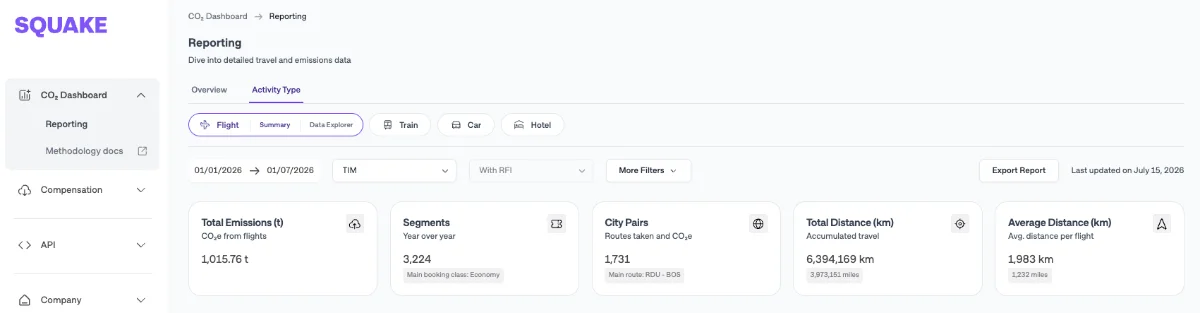
Parexel implemented SQUAKE Gravity, a unified data platform that consolidates the entire travel and expense ecosystem into a single, continuously updated source of truth.
One command center across sources
Gravity automatically integrates data from Parexel’s TMC, corporate expense management system, and credit card feeds. The platform resolves duplicates, rebookings, and cancellations in real time, eliminating the need for manual spreadsheet reconciliation. For the first time, Parexel’s travel and sustainability teams work with clean, trustworthy emissions data, not months-old reports.
Project-level emissions visibility
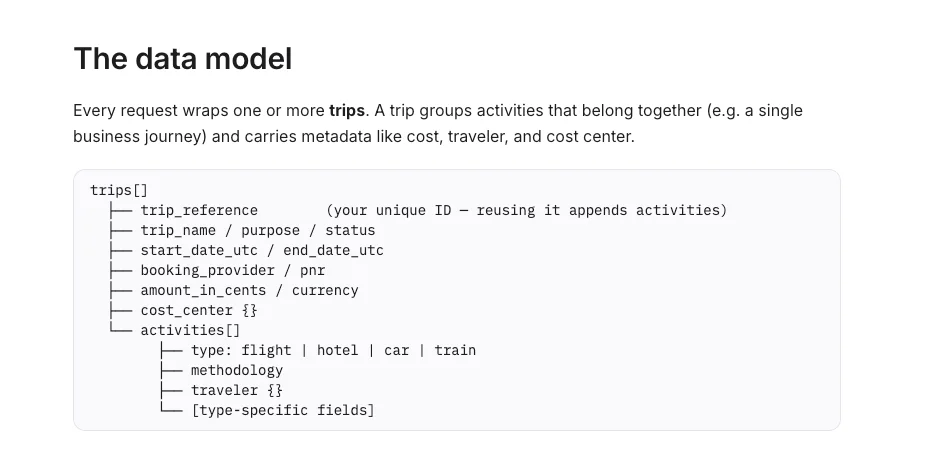
By linking travel transactions to project numbers and cost centers, Parexel can now report CO₂ emissions at the granular level its clients need. Pharma sponsors can see exactly how much their clinical trial’s travel contributed to carbon emissions, broken down by route, modal choice, and traveler type.
From data preparation to program optimization
With real-time visibility, deviations surface as they happen, not months later. Ancillary spend, supplier performance, and modal choices become visible by route and project, giving Parexel’s teams the evidence needed to:
- Adjust travel policy terms based on emissions impact, not just cost
- Negotiate with suppliers using detailed CO₂ performance data
- Identify and scale high-impact interventions (e.g., air-to-rail modal shift in Europe)
- Engage travelers and clients with clear, project-level emissions insights
Results: Transforming Ambition Into Action
Key achievements include:
- Increased adoption of air-to-rail alternatives in European countries, driven by visibility into modal-specific emissions
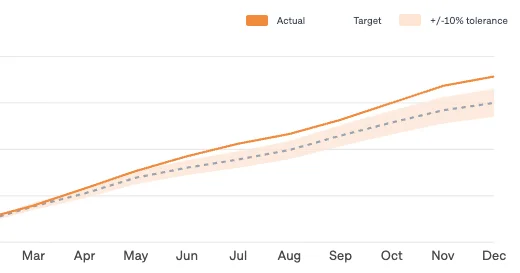
- Real-time monitoring of progress against carbon reduction targets, enabling mid-course corrections
- Quarterly emissions reporting reduced from weeks of manual work to automated, trustworthy dashboards
- Project-level emissions data now available to pharma clients, enabling them to understand and reduce the carbon impact of their clinical trials
Why This Matters for Pharma Sponsors
Pharma companies face mounting pressure to meet ambitious ESG targets and demonstrate climate leadership. Yet most lack visibility into a significant source of emissions: the travel footprint of their clinical trials. Parexel’s approach, powered by unified data and project-level granularity, addresses this gap. By providing sponsors with detailed, actionable emissions data, Parexel enables them to:
- Understand the true carbon cost of their clinical development programs
- Identify specific interventions to reduce trial-level emissions (e.g., decentralized trial models, optimized site selection, modal shift)
- Report credible, third-party verified emissions reductions to investors, regulators, and the public
- Differentiate their sustainability commitments in a competitive market
Looking Forward
Parexel’s partnership with SQUAKE demonstrates that operational excellence and environmental leadership are not trade-offs: they reinforce each other. By investing in unified data infrastructure, Parexel has created a competitive advantage: the ability to help pharma clients navigate the intersection of clinical development, cost management, and climate responsibility.
As regulatory requirements around climate disclosure intensify and pharma companies face increasing scrutiny on ESG performance, the ability to quantify and reduce trial-level emissions will become a differentiator. Parexel is positioned as a trusted partner to help sponsors achieve their sustainability goals while maintaining the operational efficiency and scientific rigor that clinical development demands.

Ready to see your whole travel program in one place?
Let’s talk